Mastering Visual Flow with Dual Color Gradient Set 10
The Psychology of Smooth Color Transitions
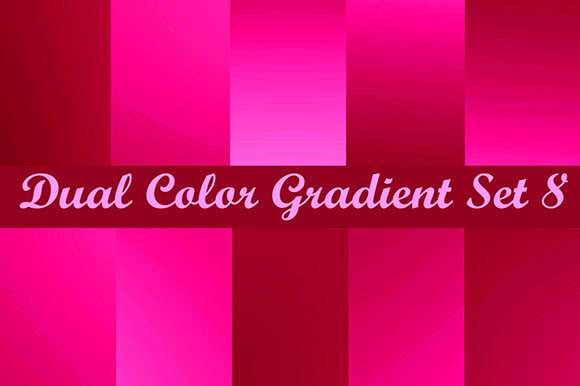
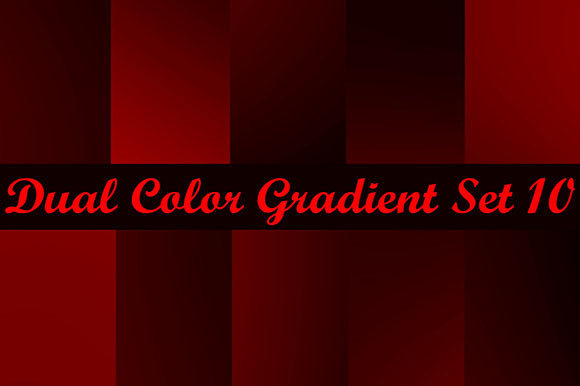
In the world of modern graphic design, color isn't just a visual element; it is the primary tool for setting a mood. The Dual Color Gradient Set 10 offers a specific solution for designers looking to evoke emotion through simplicity. Unlike complex, multi-hued backgrounds that can sometimes distract from the main content, a dual-color approach forces a harmonious relationship between two tones. This particular set is curated to provide smooth, high-impact transitions that feel professional and intentional. Whether you are working on a corporate presentation or a personal scrapbook, the psychology behind these gradients helps guide the viewer's eye naturally across the layout.
When we talk about the "personality" of this set, we are referring to its versatility. A gradient that moves from a deep indigo to a soft lavender creates a sense of mystery and calm, perfect for meditation apps or wellness branding. Conversely, a shift from amber to burnt orange can evoke warmth and urgency, making it ideal for seasonal marketing campaigns. The Dual Color Gradient Set 10 understands that contrast is key. By pairing two distinct hues, these backgrounds create a visual depth that flat colors often lack. They provide a sense of dimension without the complexity of 3D rendering, allowing your foreground elements—whether they are typography, product photos, or illustrations—to pop with clarity.
Integrating Gradients into Brand Identity and Marketing
For entrepreneurs and brand strategists, consistency is the currency of recognition. Incorporating assets like the Dual Color Gradient Set 10 into your brand toolkit can significantly elevate your visual hierarchy. Consider the impact on logo design and social media graphics. A static logo on a white background is standard, but placing that same logo over a rich, dual-tone gradient instantly adds a layer of sophistication and modernity. This is particularly true in web design, where hero sections often require a background that doesn't compete with a "Sign Up" button or a headline. These gradients serve as the perfect stage, providing enough color to be interesting but enough subtlety to remain functional.
Furthermore, the application extends deeply into packaging design and editorial design. Imagine a series of book covers or a product line of cosmetics. Using variations from the Dual Color Gradient Set 10 allows you to create a cohesive series where each item feels distinct yet part of the same family. This is a common strategy in publishing and physical goods, where shelf appeal is paramount. The smooth transitions act as a visual thread, tying different products together while allowing for differentiation through color selection. It is a practical way to manage brand identity across multiple touchpoints without reinventing the wheel for every new campaign.
Practical Application: From Digital Planners to Print Media
The technical specifications of the Dual Color Gradient Set 10 make it a robust choice for both digital and physical mediums. With a resolution of 300 dpi and dimensions of 3000x3000 pixels, these files are print-ready. This is a crucial detail for publishers and crafters. Too often, designers find a beautiful texture online only to discover it pixelates when printed on a flyer or invitation. High-quality design assets like this set remove that anxiety, ensuring that your work looks sharp on screen and on paper.
For content creators and digital planners, the utility is just as high. The JPEG format is universally compatible, meaning you can drag and drop these backgrounds into almost any software, from Adobe Photoshop to Canva or even standard presentation tools. They are particularly effective for creating digital wallpapers or slide deck backgrounds where a "flat" look might seem too corporate or boring. The Dual Color Gradient Set 10 offers a quick way to professionalize a presentation without spending hours on custom color mixing.
Typography and Readability on Gradient Backgrounds
One of the most common challenges when using any creative font or background is maintaining readability. A gradient can sometimes create "hot spots" and "cold spots" in terms of contrast. When using the Dual Color Gradient Set 10, it is essential to consider your font pairing. If you are overlaying a serif font or a sans serif font, ensure there is sufficient contrast between the text color and the specific part of the gradient it sits on. For instance, white text might disappear into the lighter end of a pastel gradient.
A practical tip is to introduce a slight drop shadow or a semi-transparent overlay behind your text blocks. This preserves the beauty of the dual-color gradient while ensuring your message remains legible. When using more decorative typefaces, such as a script font or a handwritten font, the background should ideally be on the less textured side of the spectrum. The smooth nature of these gradients makes them an excellent match for ornate typography, as they don't compete with the intricate details of the letterforms. Ultimately, the goal is to use the background to enhance the visual hierarchy, making the headline the hero and the background the supporting actor.
Final Thoughts on Asset Management
For the hobbyist, crafter, or small business owner, investing in a cohesive set like the Dual Color Gradient Set 10 is about efficiency. Instead of hunting for individual images that "kind of" match, you have a palette of ten coordinated backgrounds ready to go. This streamlines the workflow, whether you are designing a wedding invitation or a weekly newsletter. It allows you to focus on the content—the words and images that drive your business or passion—rather than getting bogged down in the technicalities of color theory and image sourcing. It is a foundational asset that supports creativity rather than complicating it.