Hand Drawn Lines Covers in Retro Color: A Design Asset for Authenticity
In a digital world saturated with clean, corporate aesthetics, there's a growing hunger for designs that feel personal, textured, and genuinely human. This is where the charm of hand-drawn elements truly shines. The Hand Drawn Lines Covers in Retro Color design asset taps directly into this desire, offering a collection of backgrounds that blend the imperfect beauty of handcraft with a distinctly nostalgic color palette. It’s not just a set of files; it’s a toolkit for injecting warmth, character, and a touch of vintage soul into your creative projects.
Understanding the Visual Appeal and Practical Design
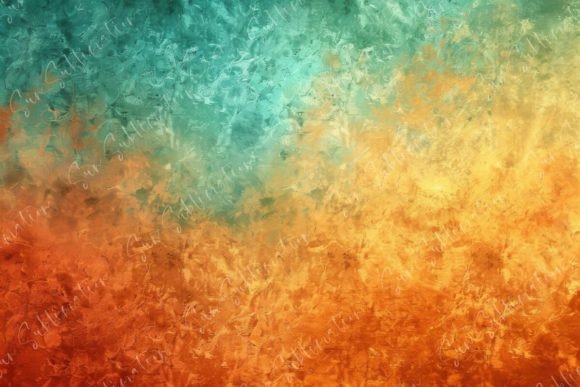
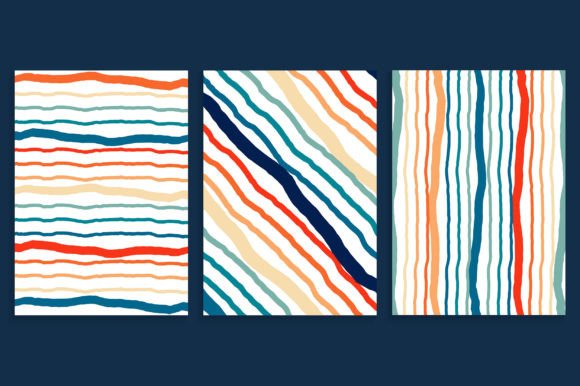
At its core, this collection features intricate, flowing lines that mimic the natural variation of pen or marker strokes. These aren't sterile, geometric patterns; they have a slight wobble, a human touch that digital tools often struggle to replicate. The "retro color" aspect is key. Think of muted teals, burnt oranges, mustard yellows, and dusty pinks—hues that evoke 1970s interiors, vintage book covers, or old family photographs. This color scheme grounds the playful lines, giving them a sophisticated, time-worn quality rather than a childish one. The overall personality is approachable, creative, and slightly eclectic, making it perfect for projects that need to stand out from the minimalist crowd.
What makes this asset particularly practical is its well-organized and layered structure. Delivered as an EPS file, it’s built for customization. If you have software that can open and edit vector files—like Adobe Illustrator, Affinity Designer, or even some advanced online editors—you have full control. You can isolate individual line elements, adjust their thickness, change the entire color scheme to match your brand, or scale the design infinitely without losing quality. This flexibility transforms it from a static background into a dynamic component of your design system.
Where These Retro Lines Shine: Real-World Applications
The versatility of the Hand Drawn Lines Covers in Retro Color makes it a valuable asset across a wide spectrum of creative fields. For brand identity and logo design, these textures can serve as a distinctive background for a wordmark or a secondary pattern for packaging and merchandise. They instantly communicate a brand's commitment to authenticity, craftsmanship, or a nostalgic ethos. Imagine them on the label of a small-batch coffee roaster, the cover of an artisanal soap box, or the backdrop for a boutique bakery's branding.
In editorial design and publishing, these covers are a natural fit. They can elevate the look of a magazine feature, a book jacket for a memoir or creative non-fiction, or a zine. For web design and social media graphics, they provide a textured, engaging background for hero sections, quote cards, or Instagram story templates that stop the scroll. The high-resolution JPGs (4000×5656 pixels at 300 DPI) ensure crispness even on large displays or in print.
For marketers and entrepreneurs, using these backgrounds in presentation decks, email newsletter headers, or promotional materials can break the monotony of standard corporate templates. It helps create a consistent and recognizable visual language that feels more personal. Crafters and hobbyists will find endless uses for printable projects, from scrapbooking and journaling to creating custom stationery and party invitations.
Integrating the Asset: A Practical Guide for Your Projects
Simply having a great asset isn't enough; knowing how to integrate it effectively is what separates good design from great. Here’s how to approach using the Hand Drawn Lines Covers in Retro Color to its full potential.
First, evaluate the project fit. This style is inherently expressive. It works best for projects aiming for a creative, artisanal, vintage, or bohemian feel. It might clash with ultra-modern, minimalist, or highly technical brand identities. Test it by placing your existing logo or typography over a sample to see if the personalities align.
Second, master font pairing. This is crucial for readability and visual hierarchy. Because the background is busy and textured, your foreground type needs to be clean and legible. A strong sans serif font or a simple, sturdy serif font will provide excellent contrast and ensure your message isn't lost. Avoid overly decorative script fonts or handwritten fonts for body text, as they can create visual clutter. Use the hand-drawn lines as a supporting actor, not the star of the show.
Third, leverage the included file formats. The AI and EPS files are your power tools for customization. Use them to create seamless patterns, adjust colors to your exact brand palette, or combine elements from different covers. The JPGs are perfect for quick use in social media managers, blog post graphics, or print-on-demand designs where vector editing isn't possible.
Finally, understand the licensing. The files provided are for a wide range of commercial and personal uses, but it's always wise to review the specific terms. This ensures you can confidently use your new designs on client work, products for sale, or personal projects without legal ambiguity.
By treating the Hand Drawn Lines Covers in Retro Color not just as a background, but as a flexible component of your design assets library, you unlock its true value. It’s a bridge between digital precision and analog charm, a tool for building brand perception that feels genuine, and a way to create engagement through visual texture and nostalgic appeal. In a market that values authenticity, this kind of thoughtfully crafted resource can become a cornerstone of your creative toolkit.